July 23, 2026
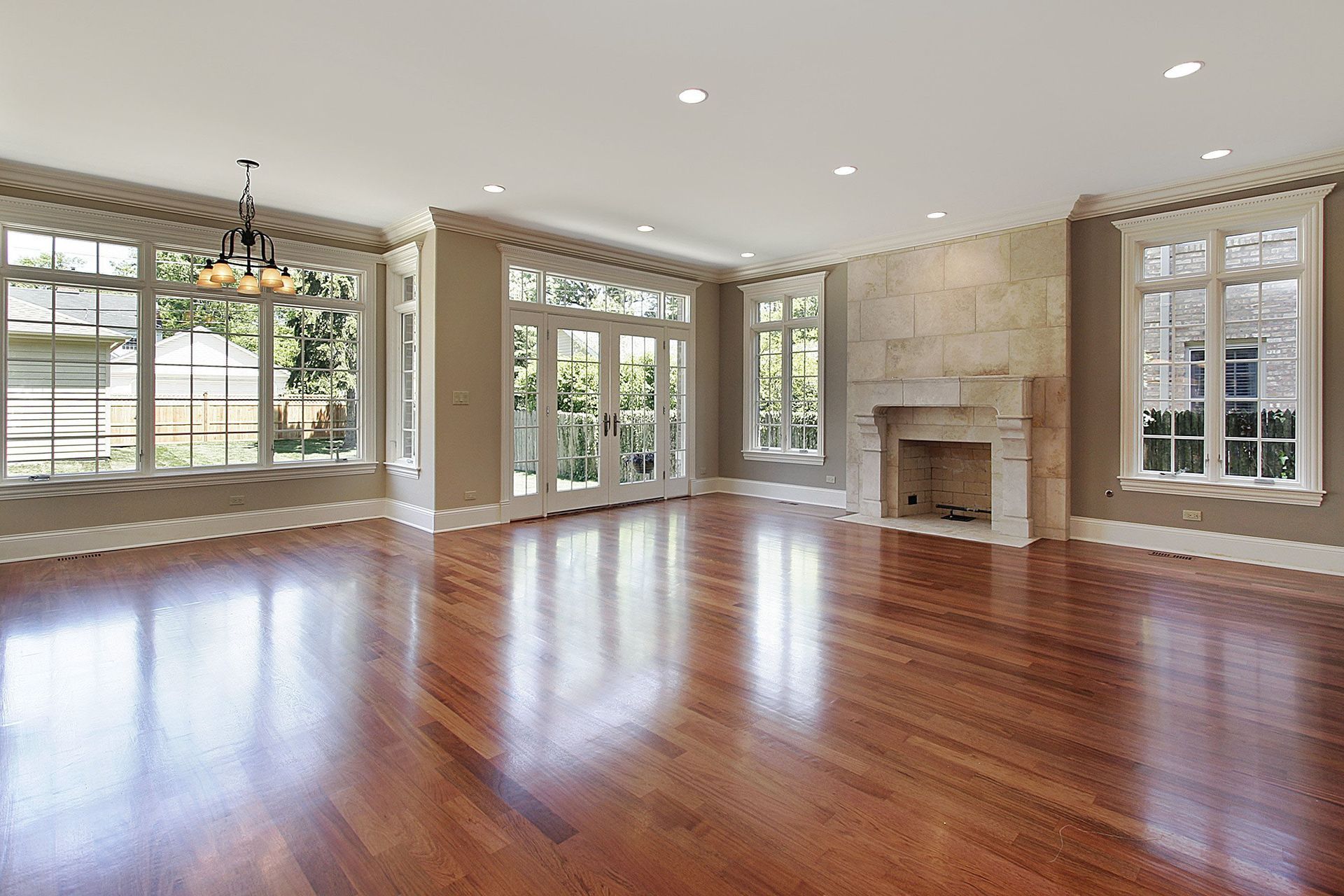
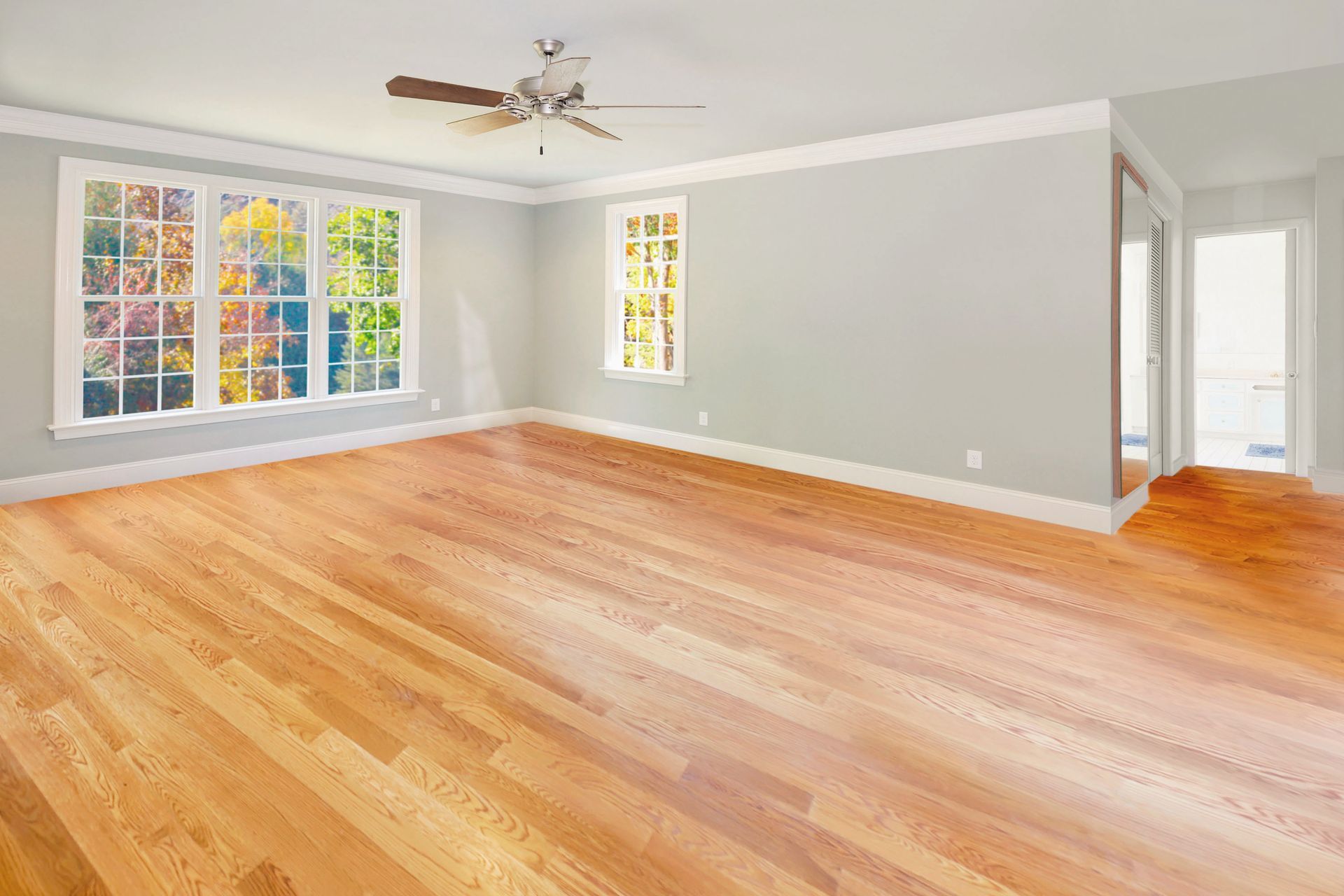
Choosing the right surface for your home is one of the most significant design and financial investments you will make. While carpeting, laminate, and luxury vinyl tile each offer distinct advantages, nothing matches the enduring appeal and structural integrity of authentic wood. Investing in hardwood flooring transforms your living space by blending organic luxury, generational durability, and timeless aesthetic flexibility.
Elevating Interior Aesthetics
The primary draw of natural wood is its unmatched visual warmth. Unlike synthetic materials that rely on repeated printed patterns, every plank of wood boasts a unique grain pattern, mineral streak, and knot configuration. This organic variation adds immediate character and depth to any architectural style, from rustic farmhouse designs to ultra-modern minimalist spaces.
Furthermore, wood acts as a neutral canvas. Whether you choose the pale, airy tones of European white oak or the deep, dramatic hues of Brazilian walnut, a premium wood floor anchors a room without competing with your furniture or wall colors. It creates a seamless visual flow when run continuously through hallways, kitchens, and living areas, making open-concept floor plans feel significantly larger and more cohesive.
Maximizing Long-Term Durability
When assessing the true cost of residential surfaces, longevity matters far more than the initial installation price. Popular alternatives like carpet and laminate typically require complete replacement due to matting, staining, or moisture delamination. Wood stands as a more permanent fixture by comparison. According to data from the National Wood Flooring Association, high-quality hardwood flooring boasts a lifespan of up to 100 years if it receives proper care and maintenance over the decades.
This astonishing lifespan stems from the material's ability to undergo restoration. When solid wood suffers from surface scratches, minor dents, or fading due to sun exposure, it does not need to be ripped out. Instead, professional installers can sand the surface down to raw wood, apply a fresh stain, and seal it with a durable protective topcoat. A single installation can survive multiple design eras, active families, and changing home trends.
Enhancing Indoor Air Quality
For homeowners managing seasonal allergies, asthma, or respiratory sensitivities, the surfaces beneath their feet directly impact daily health. Carpeting acts as a massive trap for environmental irritants, locking in dust mites, pet dander, pollen, and microscopic mold spores deep within its fibers. Vacuuming often kicks these particles back into the breathing zone rather than removing them entirely.
Natural wood provides a completely solid, non-porous surface where allergens have nowhere to hide. Spills, dust, and pet hair sit on top of the wood, allowing you to easily remove them with a microfiber mop or a specialized hard-surface vacuum. Additionally, premium wood planks do not trap volatile organic compounds (VOCs) or harbor the chemical odors often associated with new synthetic carpets, contributing to a cleaner, more breathable indoor environment.
Simplifying Daily Maintenance
Keeping your home clean should not require an arsenal of harsh chemicals or hours of intense labor. The daily upkeep of solid wood is remarkably straightforward and stress-free. A quick sweep with a soft-bristled broom or a pass with a dry dust mop is usually all it takes to remove dry grit that could scratch the finish over time.
For deeper cleaning, the strategy relies on minimalism rather than heavy scrubbing. Homeowners only need a damp microfiber mop lightly misted with a pH-neutral wood cleaner. Because excessive moisture can cause wood fibers to swell, avoiding steam mops and soaking-wet traditional mops protects your investment. This simple, low-effort routine preserves the original luster of your hardwood flooring without demanding expensive specialized equipment.
Boosting Resale Market Value
Real estate professionals widely agree that natural wood remains one of the most sought-after features for modern home buyers. Properties featuring authentic wood consistently command higher asking prices and spend fewer days on the market than homes with wall-to-wall carpeting. Buyers recognize the premium status of wood and view it as an expensive upgrade they will not have to fund themselves after moving in.
This preference translates directly into a strong return on investment (ROI). In our experience, installing premium hardwood flooring can recover a significant portion of its initial cost upon the sale of the property. It functions as an active financial asset, quietly building equity in your home while simultaneously upgrading your daily living experience.
Adapting to Evolving Trends
Interior design preferences inevitably shift over time. A color palette or design theme that feels cutting-edge today might feel dated in a decade. If your home features permanent colored tile or specific patterned carpet, changing your style requires a costly, labor-intensive demolition process.
Wood offers ultimate stylistic agility because it adapts to whatever design direction you choose next. If you transition your home from a traditional aesthetic to a sleek contemporary look, your existing wood floors will complement the new furniture effortlessly. If you want a radical change, solid planks can be sanded down and stained a completely different color, shifting from a light natural stain to a rich espresso tone and giving you a brand-new look for a fraction of the cost of a full replacement.
Providing Natural Thermal Comfort
Wood possesses excellent natural insulating properties due to its cellular structure. Unlike ceramic tile or stone, which quickly pull heat away from your skin and feel icy underfoot during the winter months, wood retains a comfortable, neutral temperature year-round. It creates a physically warmer environment that feels inviting to walk on, even in bare feet.
For homeowners looking to maximize comfort, engineered hardwood flooring profiles can be safely paired with underfloor radiant heating systems. The wood evenly distributes the radiant heat throughout the room, creating a cozy, energy-efficient warmth that eliminates the need for bulky radiators or noisy forced-air vents.
Selecting Your Perfect Profile
Once you decide to upgrade your home, you will choose between solid and engineered construction. Solid planks are cut from a single piece of timber, offering maximum sandings and unmatched longevity in dry, temperature-controlled areas of the house. Engineered planks feature a real wood veneer bonded over cross-layered plywood layers, providing superior structural stability against humidity shifts in basements or kitchens.
Beyond construction, consider the width of the planks and the texture of the wood. Wide planks create a clean, expansive look with fewer visible seams, which beautifully suits larger rooms. Wired-brushed or hand-scraped finishes offer a subtly textured surface that excels at concealing minor scratches and pet claws, making them ideal options for busy, high-traffic households.
Investing in Timeless Quality
Upgrading to natural wood is a definitive statement of quality, permanence, and refined taste. While alternative materials might tempt you with lower upfront price tags, they cannot replicate the organic beauty, air quality benefits, or centennial lifespan of genuine timber. Embracing hardwood flooring ensures your home remains elegant, healthy, and structurally valuable for generations to come.
Your floors form the foundation of your daily environment, setting the tone for every room and supporting every memory made inside your walls. Choosing wood means choosing an option that grows more beautiful with age, collecting a rich patina that tells the unique story of your household. It is a rare architectural choice that effortlessly delivers immediate luxury while securing a practical, sustainable legacy for the future of your property. For more on why you should invest in hardwood flooring, reach out to Design Wood Floors, Inc today.