September 17, 2026
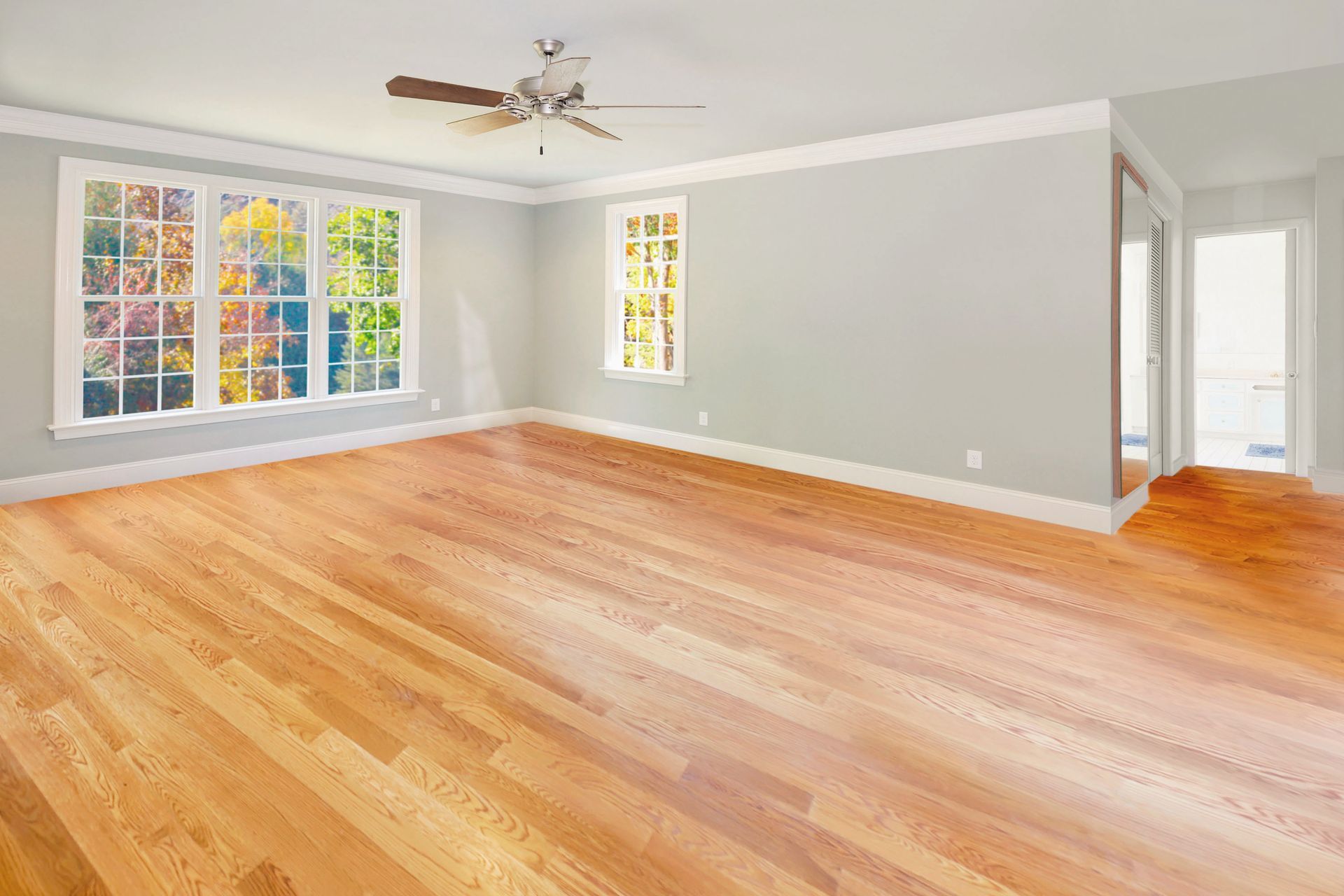
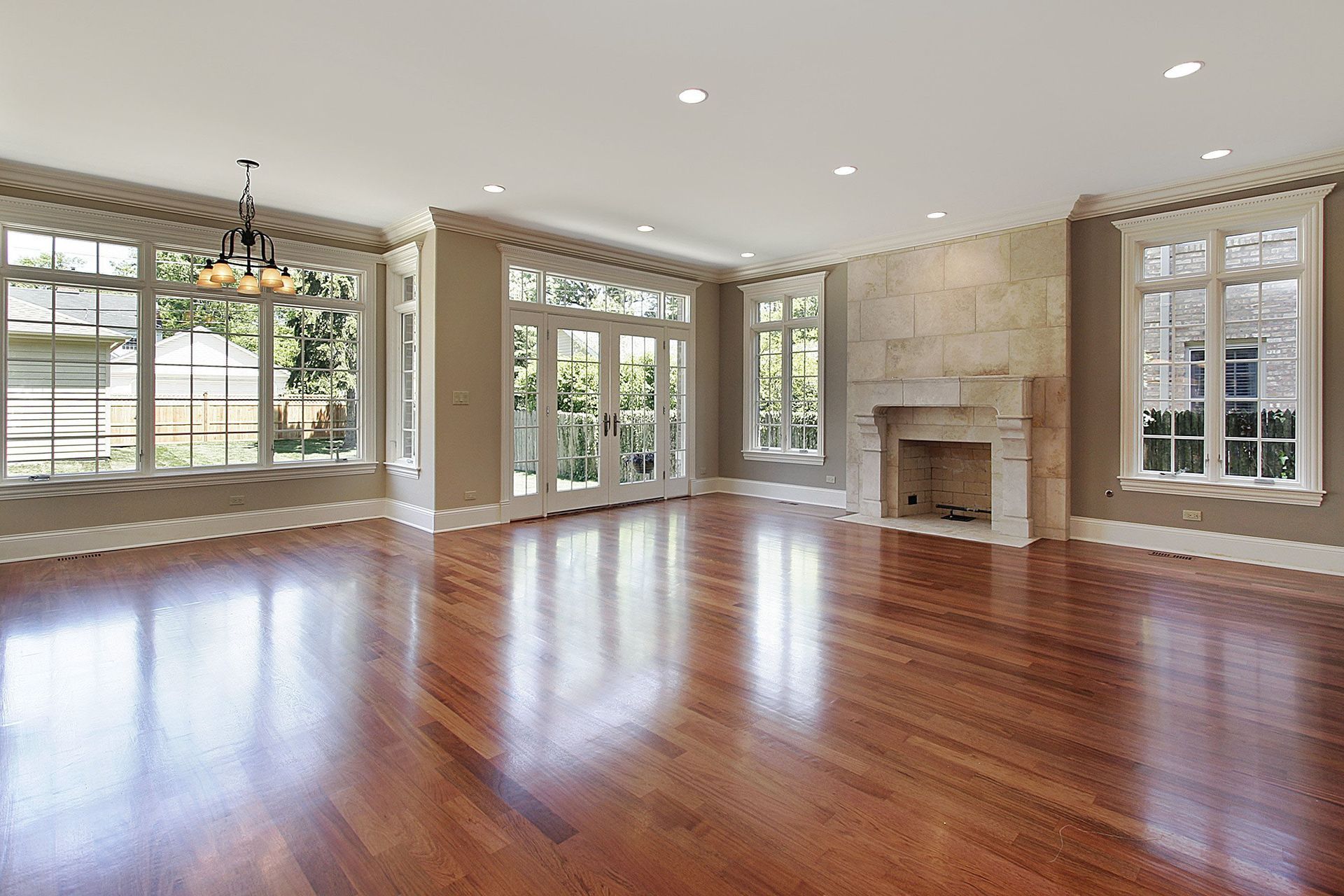
The warm and timeless appeal of wood floors makes them a popular choice for homeowners who want to combine beauty, practicality, and lasting value. Flooring has a major influence on the atmosphere of a room, and natural wood can create a welcoming appearance that complements many different interior styles. Beyond aesthetics, quality flooring can affect maintenance requirements, indoor comfort, resale potential, and the overall functionality of a home. Choosing flooring is often a long-term decision, making durability and adaptability important considerations. Natural materials can provide distinctive textures and visual depth that manufactured alternatives may struggle to reproduce. With numerous species, finishes, stains, and installation patterns available, homeowners can create spaces that reflect their individual preferences while investing in a surface designed to perform for many years.
1. Timeless Beauty and Visual Appeal
One of the strongest advantages of wood floors is their ability to remain visually appealing despite changing interior design trends. Natural grain patterns, knots, color variations, and subtle differences between individual boards give each installation its own character. These details can introduce warmth and sophistication into bedrooms, dining areas, living rooms, hallways, and other commonly used spaces.
Wood also works well with an extensive variety of decorating styles. Traditional interiors can benefit from rich stains and classic plank arrangements, while contemporary spaces may use lighter finishes or wider boards to create a clean appearance. Because flooring provides a large visual foundation for a room, choosing a versatile material can make future decorating changes easier. Furniture, wall colors, rugs, and decorative accents can often be updated without replacing the floor beneath them.
2. Natural Character Throughout the Home
The organic appearance of wood floors helps homeowners bring natural elements into interior environments. Unlike perfectly uniform manufactured materials, wood contains subtle variations that contribute to its distinctive character. Each board can feature different grain patterns and shading, allowing the finished surface to feel authentic rather than repetitive.
Natural wood may also change slightly as it ages. Depending on the species and finish, the material can develop additional depth and richness over time. Many homeowners consider these gradual changes part of the floor's charm. Minor signs of normal use can sometimes blend naturally into the character of the material rather than making the entire surface appear worn or outdated.
3. Durability for Everyday Living
Quality wood floors are known for their strength and ability to accommodate the everyday demands of an active household. When an appropriate species and finish are selected, the surface can handle regular foot traffic, furniture, children, pets, and household activities. Proper installation also contributes to long-term performance by helping boards remain stable and secure.
Maintenance practices play an important role in protecting that durability. Protective pads beneath furniture, routine cleaning, quick attention to spills, and appropriate humidity levels can help minimize avoidable damage. Scratches or worn finishes may eventually develop, particularly in busy areas, but many hardwood surfaces can be sanded and refinished instead of completely replaced. This ability can significantly extend the useful life of the flooring.
4. Long-Term Performance and Value
Longevity is another reason homeowners frequently consider natural hardwood. Properly installed and maintained flooring may remain in service for decades, reducing the need to replace the entire surface whenever decorating preferences change. Refinishing can restore an aging floor, remove certain surface imperfections, and provide an opportunity to update its color or sheen.
This long service life can make wood floors a practical investment when costs are evaluated over many years rather than only at the time of installation. According to Forbes, homeowners can achieve as much as a 106% return on investment with hardwood flooring. Although actual returns depend on the property, market, condition, and quality of the installation, attractive hardwood can be an appealing feature when a home eventually goes on the market.
5. Potential to Increase Buyer Appeal
Flooring is one of the first interior features prospective buyers notice when viewing a property. Clean, well-maintained hardwood can create an immediate impression of quality while helping rooms appear polished and cohesive. Buyers may also appreciate knowing that they will not necessarily need to budget for replacement flooring shortly after moving into the home.
Because wood floors work with many decorating preferences, they can appeal to buyers with very different tastes. One person might envision a traditional interior with area rugs and antique furniture, while another could pair the same flooring with minimalist furnishings and neutral walls. This design flexibility can make hardwood a useful feature when preparing a property for a broad real estate market.
6. Cleaner and Easier Household Maintenance
Routine care is relatively straightforward compared with flooring materials that require specialized deep cleaning. Dust, crumbs, pet hair, and other debris remain visible on the surface and can usually be removed through sweeping, dust mopping, or vacuuming with an appropriate attachment. Occasional cleaning with products designed for the specific finish can help preserve the appearance without an overly complicated maintenance routine.
Wood floors also do not contain fibers that can trap large amounts of dust, pollen, pet dander, and other particles. Regular surface cleaning can therefore make it easier to remove household debris before it accumulates. Homeowners should still follow manufacturer recommendations because excessive water, harsh chemicals, or inappropriate cleaning tools can damage certain finishes.
7. Resistance to Everyday Spills and Dirt
When properly sealed, hardwood can offer useful protection against many ordinary spills. Liquids should still be wiped up promptly because prolonged moisture exposure may affect natural wood, but routine accidents can generally be managed without complicated cleaning procedures. Protective finishes create a barrier that helps reduce direct contact between contaminants and the material underneath.
The smooth surface also makes dirt easier to detect and remove. Entry mats can capture grit near exterior doors, while routine sweeping helps prevent small abrasive particles from scratching the finish. These simple habits can keep wood floors looking attractive while reducing unnecessary wear in hallways, kitchens, living areas, and other high-traffic locations.
8. A Wide Range of Wood Species
Homeowners can choose from many species depending on the appearance and performance characteristics they prefer. Oak remains popular because of its recognizable grain and versatility, while maple provides a smoother visual appearance. Walnut offers darker tones, and other species provide variations in hardness, texture, and natural color.
Considering how a room will be used can help narrow these choices. A household with pets or heavy foot traffic might prioritize harder materials, while a homeowner focused primarily on appearance may place greater emphasis on grain and color. Professional guidance can help compare species based on durability, availability, maintenance expectations, and compatibility with the home's environmental conditions.
9. Customization Through Stains and Finishes
Another major advantage is the opportunity to personalize the finished appearance. Stains can deepen natural tones, create lighter contemporary looks, or coordinate the flooring with cabinetry, trim, and furniture. Finish options can also affect sheen, ranging from subtle matte surfaces to more reflective appearances.
Homeowners may choose different plank widths, installation directions, or patterns depending on the size and character of the room. These details allow wood floors to serve as either a subtle background element or an intentional design feature. Selecting a finish that suits both the desired appearance and expected level of traffic can help balance style with long-term practicality.
10. Adaptability Across Different Rooms
Hardwood can create visual continuity when installed across connected living spaces. Using similar flooring in a living room, dining area, hallway, and bedroom can help the home feel more open and coordinated. Alternatively, different stains or plank arrangements may be used to establish distinct visual identities in separate areas.
For homeowners interested in a surface that can remain relevant through years of changing furniture and design trends, wood floors provide considerable flexibility. Thoughtful selection, professional installation, routine cleaning, and timely refinishing can help preserve their appearance for many years. With their combination of beauty, durability, versatility, and potential long-term value, natural hardwood continues to be a practical and distinctive flooring option for residential spaces. Contact our team at Design Wood Floors, Inc today and learn more about our flooring services.